
Get expert dental advice with a free consultation today.
Dental surgery includes a wide range of treatments designed to correct oral problems such as impacted teeth, infections, jaw issues, and severe decay. Our clinic provides advanced, minimally invasive surgical procedures to restore your oral health comfortably and safely.
We use digital X-rays, CBCT scans, and modern surgical tools to ensure precision and fast recovery. Whether you need tooth extraction, gum surgery, cyst removal, or corrective procedures, our dental surgeons deliver expert care with the highest safety standards.
Dental surgery is performed to treat advanced dental problems that cannot be managed through routine treatments. It restores function, eliminates pain, and improves overall oral health.
Selecting the right oral surgeon makes a big difference in safety, comfort, and long-term success.
Dental surgery helps restore long-term oral health and eliminates painful conditions.
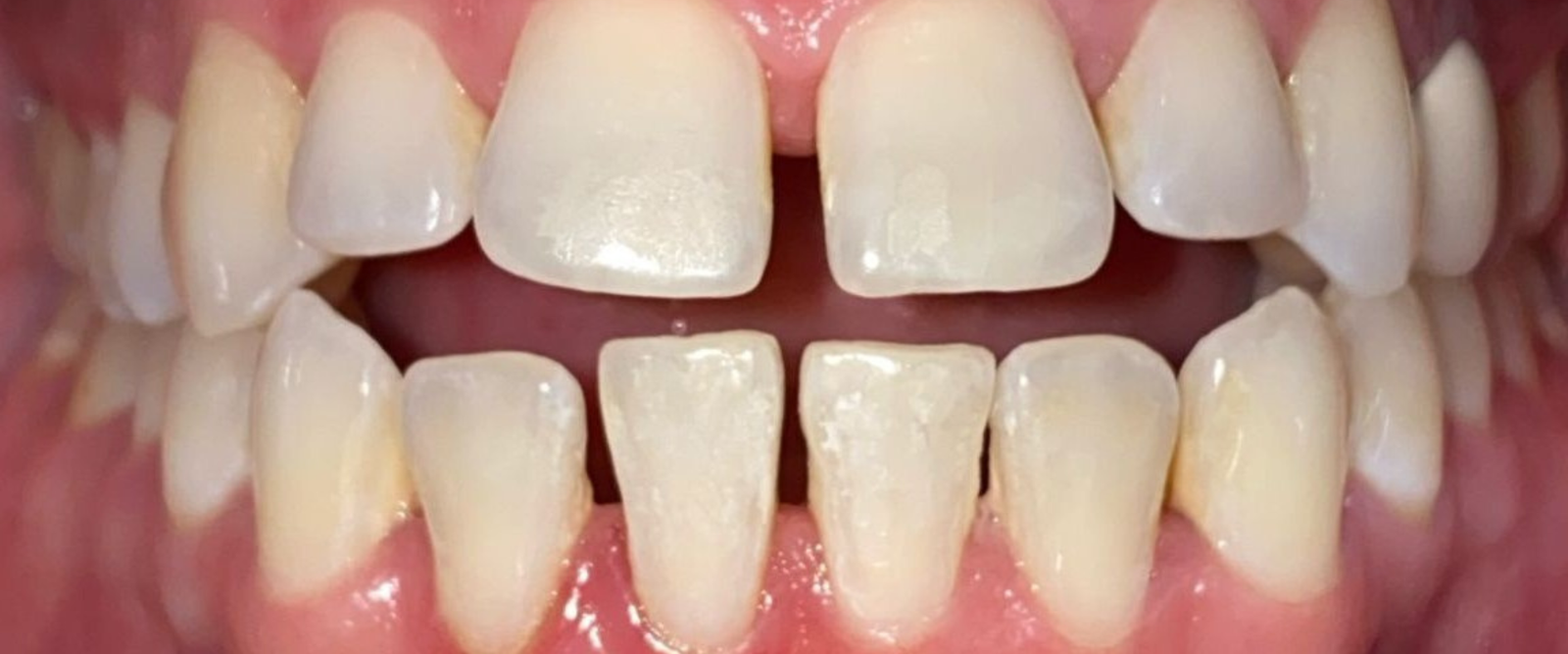
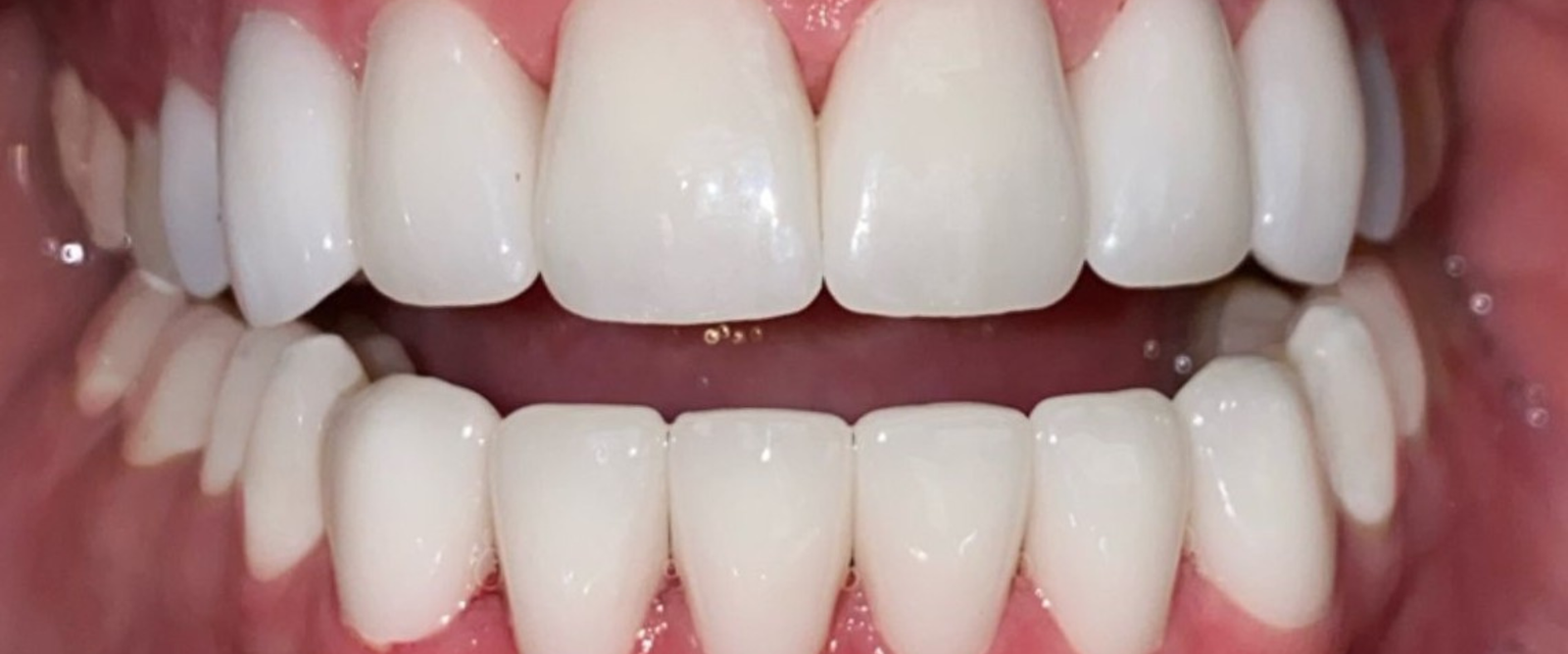
An impacted tooth occurs when a tooth fails to fully emerge through the gums. This condition most commonly affects wisdom teeth, which are the last molars that typically appear between the ages of 17 and 25. When there isn’t enough space in the jaw, wisdom teeth may grow at an angle, remain trapped under the gums, or partially erupt, leading to discomfort and complications.
Impacted wisdom teeth can cause pain, swelling, jaw stiffness, bad breath, and difficulty chewing. In some cases, they may lead to infections, gum inflammation, or damage to neighboring teeth. Food particles and bacteria can easily get trapped around partially erupted wisdom teeth, increasing the risk of cavities and gum disease.
The treatment usually involves a minor surgical procedure performed under local anesthesia. The dentist or oral surgeon carefully removes the impacted tooth to prevent further complications. Modern techniques ensure the procedure is safe, precise, and as comfortable as possible. Recovery generally takes a few days, and patients are given clear post-operative care instructions to promote healing.
Early evaluation through dental X-rays helps identify impacted teeth before they cause severe problems. Removing problematic wisdom teeth at the right time protects your oral health and prevents long-term damage.
Gum surgery, also known as periodontal surgery, is performed to treat advanced gum disease or to restore gum health and appearance. When plaque and tartar build up below the gum line, they can cause infection and inflammation, leading to gum recession, bleeding, and even tooth loss if untreated.
Gum surgery becomes necessary when non-surgical treatments like deep cleaning are not sufficient. The procedure involves carefully cleaning infected areas, removing bacteria from deep pockets, and reshaping the gum tissue to fit securely around the teeth. In some cases, bone grafting or gum grafting may be recommended to restore lost tissue.
The treatment is performed under local anesthesia to ensure patient comfort. Modern dental technology allows for minimally invasive procedures with faster healing times. After surgery, patients may experience mild discomfort, which can be managed with prescribed medications and proper aftercare.
Healthy gums are essential for strong teeth. Gum surgery not only treats infection but also prevents further bone loss and protects your overall oral health. Regular dental visits and good oral hygiene help maintain the results and prevent recurrence of gum disease.
A dental cyst is a fluid-filled sac that can develop in the jawbone or around the roots of teeth. These cysts often form due to untreated infections, impacted teeth, or developmental conditions. While some cysts may not cause immediate symptoms, they can gradually expand and damage surrounding bone and tissues.
Common signs of a dental cyst include swelling, pain, tooth displacement, or delayed healing after infection. In some cases, cysts are discovered during routine dental X-rays before symptoms appear.
Cyst removal is a surgical procedure performed to eliminate the infected tissue and prevent further complications. The dentist or oral surgeon carefully removes the cyst along with any affected tissue to stop its growth. The procedure is typically done under local anesthesia and is considered safe and effective.
Early detection and timely removal are crucial to prevent bone damage and preserve neighboring teeth. After the procedure, patients receive guidance on oral hygiene and follow-up visits to ensure proper healing. Removing a cyst protects your oral health and prevents future complications.
An oral biopsy is a diagnostic procedure used to examine suspicious tissues in the mouth. If a dentist notices an unusual lump, ulcer, patch, or lesion that does not heal, a biopsy may be recommended to determine the exact cause.
During the procedure, a small sample of tissue is carefully removed and sent to a laboratory for microscopic examination. This helps identify infections, cysts, benign growths, or, in rare cases, early signs of oral cancer. Early diagnosis plays a crucial role in effective treatment and recovery.
The biopsy procedure is usually simple and performed under local anesthesia. Patients may experience mild discomfort afterward, but healing is generally quick. Dentists provide aftercare instructions to reduce irritation and ensure smooth recovery.
Oral biopsy is an important preventive step in maintaining long-term oral health. Detecting abnormalities early increases treatment success and provides peace of mind. Regular dental check-ups help identify unusual changes in the mouth before they become serious.
Regular dental check-ups can prevent major problems and keep your smile confident. Book your appointment today for expert care, painless treatment, and personalized attention.