
Get expert dental advice with a free consultation today.
Indirect fillings are advanced restorative dental solutions designed to repair moderately damaged or decayed teeth while preserving as much natural tooth structure as possible. When a regular filling is not strong enough and a full crown is not necessary, indirect fillings provide the perfect balance of strength, durability, and aesthetics.
These custom-made restorations are crafted outside the mouth in a dental laboratory and then permanently bonded to the tooth, ensuring a precise fit and long-term protection.
Indirect fillings are restorations used when a tooth has significant damage but still retains enough healthy structure. Unlike direct fillings, which are placed immediately in the cavity, indirect fillings are fabricated separately and later cemented into place.
There are two main types:
Inlays fit within the grooves of the tooth and do not cover the cusps (raised edges). They are ideal for treating damage confined to the center portion of the tooth.
Onlays extend over one or more cusps, providing additional coverage and strength. They are sometimes referred to as “partial crowns.”
Both options are typically made from porcelain, ceramic, or composite materials that closely match the natural tooth color.
Indirect fillings are suitable for:
Moderate tooth decay
Cracked or fractured teeth
Large old fillings that need replacement
Teeth weakened after trauma
Cases where a crown is not yet required
A thorough examination helps determine whether an inlay or onlay is the best solution.
✔ Custom-made for precise fit
✔ Stronger than regular fillings
✔ Preserves more natural tooth structure
✔ Natural tooth-colored appearance
✔ Resistant to staining
✔ Long-lasting durability
Because they are fabricated in a laboratory, indirect fillings offer improved strength and accuracy compared to traditional fillings.
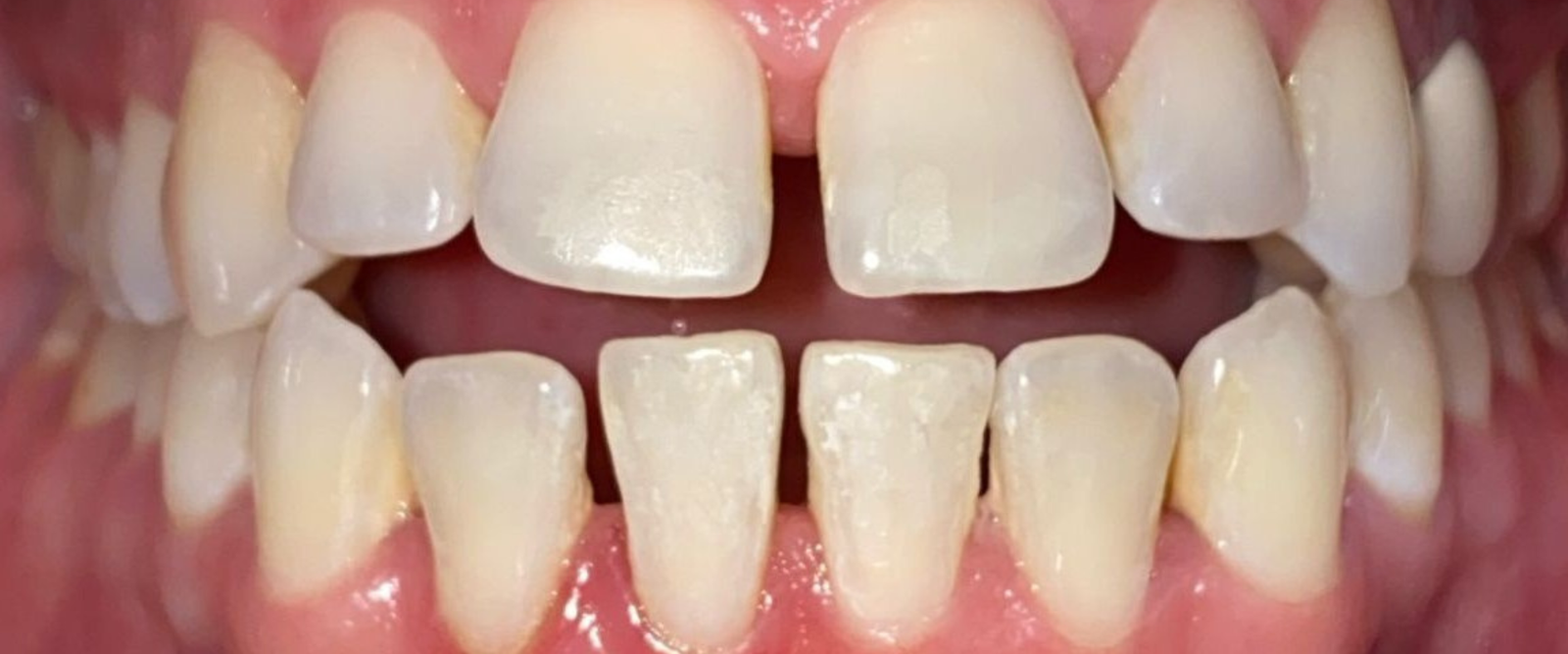
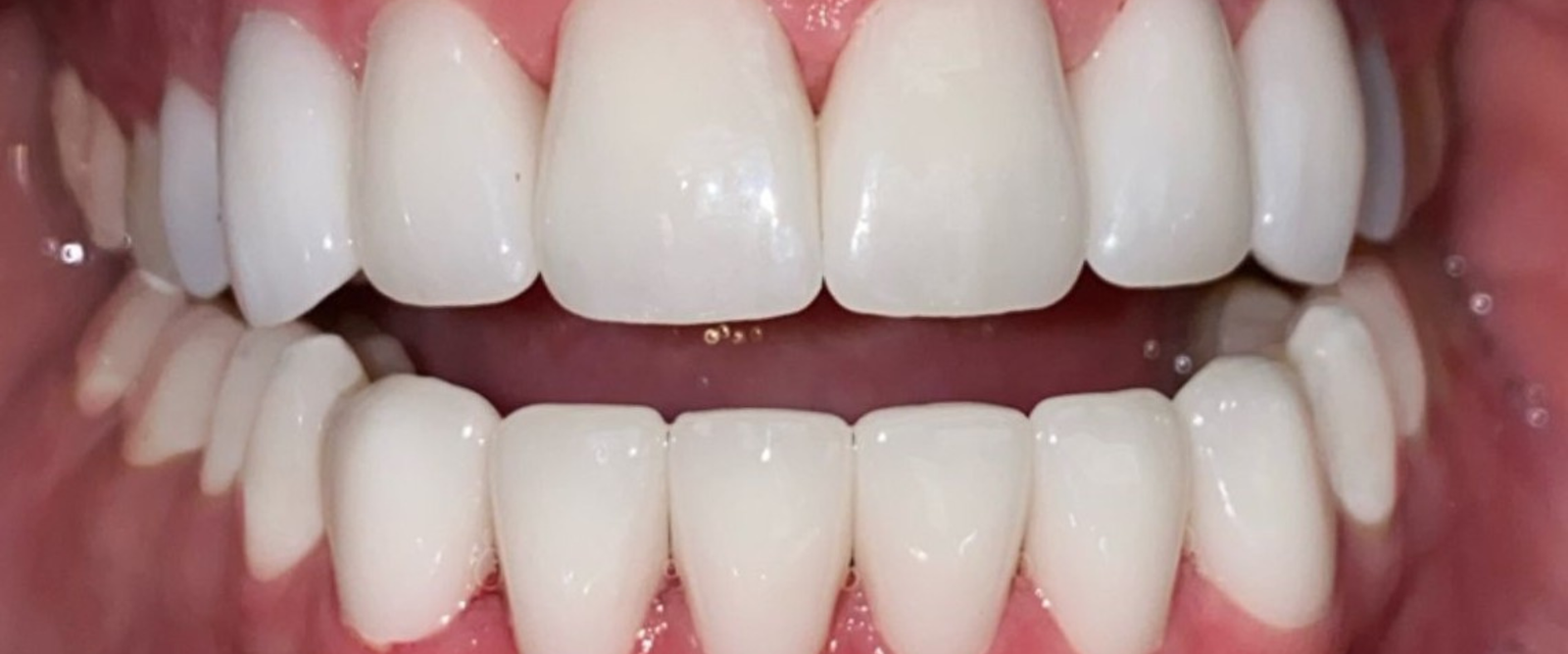
Dental inlays are custom-made restorations used to repair teeth with moderate decay or structural damage. They are an excellent option when a tooth is too damaged for a regular filling but does not require a full dental crown. Inlays are designed to fit precisely within the grooves of the tooth, restoring strength while preserving natural tooth structure.
Unlike traditional fillings that are molded directly inside the mouth, inlays are fabricated in a dental laboratory or using digital technology for enhanced precision. They are typically made from porcelain, ceramic, or composite materials that blend naturally with your teeth.
What Are Dental Inlays?
An inlay is a type of indirect restoration that fits within the center portion of a tooth without covering the outer cusps (raised edges). It strengthens the tooth while maintaining its natural shape and function.
Inlays are commonly recommended for:
Because they are custom-made, inlays provide a better fit and greater durability compared to traditional fillings.
Benefits of Dental Inlays
✔ Stronger than regular fillings
✔ Custom-fit for precise restoration
✔ Preserves healthy tooth structure
✔ Natural tooth-colored appearance
✔ Resistant to staining
✔ Long-lasting durability
Inlays provide superior strength and can withstand normal chewing pressure effectively.
The Treatment Process
The inlay procedure usually requires two visits:
First Visit:
Second Visit:
Advanced bonding techniques ensure a secure and long-lasting result.
Long-Term Care
Proper oral hygiene and regular dental check-ups help maintain your inlay for many years. Avoiding excessive pressure and maintaining daily cleaning habits protect the restoration.
Dental onlays are custom-made restorations designed to repair moderately to severely damaged teeth while preserving as much natural tooth structure as possible. Often referred to as “partial crowns,” onlays are recommended when a tooth has more extensive damage than what a regular filling can support but does not require full crown coverage.
Onlays restore both the function and strength of the tooth while maintaining a natural appearance. They are typically made from porcelain, ceramic, or composite materials that closely match your natural tooth color.
What Are Dental Onlays?
An onlay is a type of indirect restoration that covers one or more cusps (the raised chewing surfaces) of a tooth. Unlike inlays, which fit within the grooves of a tooth, onlays extend over the damaged cusps to provide additional protection and reinforcement.
Onlays are recommended for:
They provide a stronger and more durable solution than traditional fillings.
Benefits of Dental Onlays
✔ Stronger than regular fillings
✔ Preserves more natural tooth structure than crowns
✔ Custom-made for precise fit
✔ Natural tooth-colored appearance
✔ Resistant to staining
✔ Long-lasting and durable
Onlays offer an ideal balance between strength and conservation of healthy tooth material.
The Treatment Process
The onlay procedure typically requires two visits:
First Visit:
Second Visit:
Modern adhesive techniques ensure strong bonding and long-term stability.
Regular dental check-ups can prevent major problems and keep your smile confident. Book your appointment today for expert care, painless treatment, and personalized attention.